
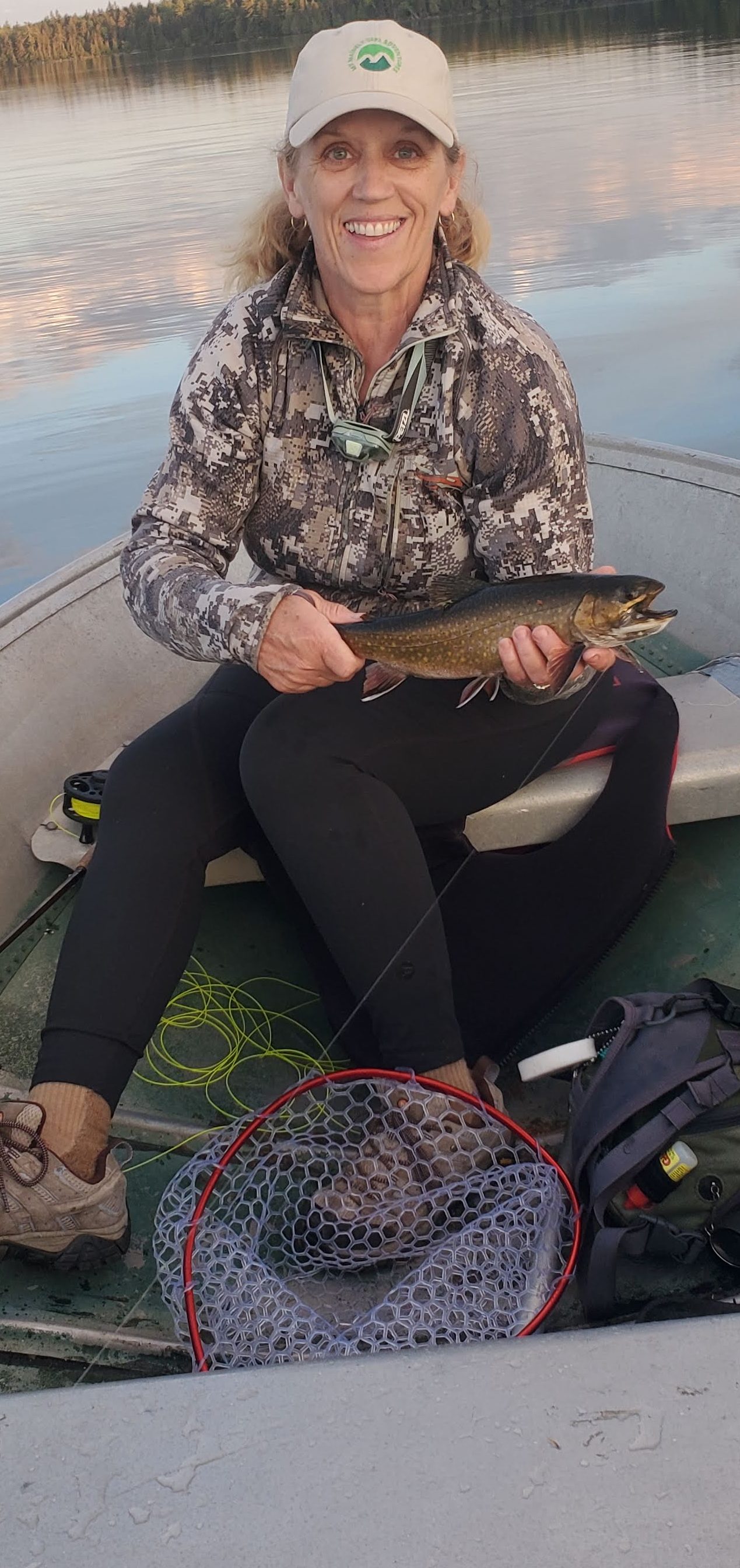
I’m no expert, but I love fly fishing for brook trout and salmon. When our favorite spot became artificial lures only, I decided to try fly fishing despite not knowing anything about it. The rods we used were long, heavy, and super flexed and casting was an all-out effort. We spent more time changing out flies than actually catching fish, so we got a lot of practice tying knots. In short, it was all trial and lots of errors, and once we had success it was all the sweeter. Being a novice can be challenging, so I’ve shared some tips to help you get started.
If you buy nothing else, buy a better beginner fly rod: a combo to take the guesswork out of buying and will prevent casting bad habits. My first better rod was an 8ft, 5-6 wt., 2-piece combo that now costs around $149; however, I recently found one major outdoor retailer has a similar one for $59. Ten years later, I still use my combo along with my 9ft, 6 wt., 4-piece ($169) combo. Major outdoor retailers have similar options within the same price range, so it’s not that hard to find a beginner outfit. I recommend buying an extra spool or matching reel for a sinking line if you plan to fish a river or do some trolling; most combos come with floating line.
I first used a traditional cloth vest, but now I use a small harness-style chest pack that can be bought for almost same amount as a cloth vest, and it has everything at my fingertips. These types of pack give you more freedom to move than the full-size vest packs, and are cooler to wear in the summer. Mine has a rod holder and all the tools are on zips. I am still guilty of cramming too much in it, but it makes changing a fly or tippet on the river easier.

If you plan to fish a river, or wade a shallow pond, buy a pair of waders that fit. Good waders are not cheap, but I quickly learned that sweating in a pair of men’s rubber waders with size 11 boots for my size 8 feet is no fun and fishing in freezing spring water with my sneakers doesn’t cut it either. If you can’t buy your “dream pair”, at least make sure they fit properly and that you can wear fleece pants and wool socks under them for the early season freezing waters. A good breathable pair of stocking foot waders with separate pair of boots is my preference.
The net may seem insignificant, but it’s hard to land a fish without a net. For years, I netted my catch with a $14 wooden net. The net was barely big enough for a decent salmon, and the fly hooks got tangled in the black netting. Thinking I finally found a better net, last year, I doled out a whopping $34 for an aluminum one with a rubber net. It hung low on my back, but was bigger than the wooden one. I think I used it twice before it disappeared, presumably down the river last fall. I’m back to using one of the wooden nets I kept as backup. For my birthday, I scored a larger oval-shaped rubber net from LLBean.

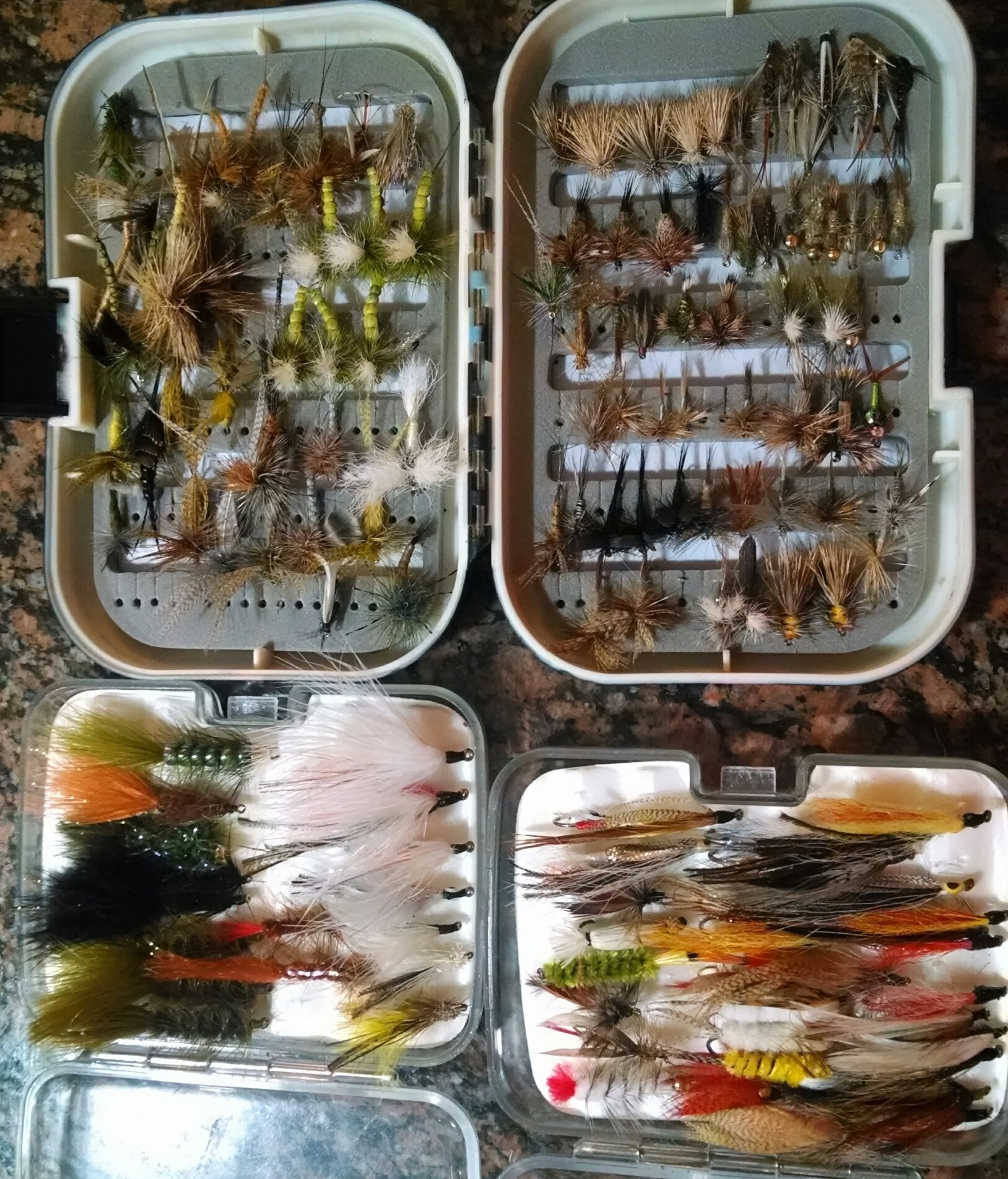
Understanding the hatch cycle will help you determine what flies to use and when to use them. While everyone has an opinion, here’s what I have had the most success using. Early spring on the river, use streamers or nymph setup using sinking line. Woolly Buggers (size 8 olive or black) with a tan, beadhead Hare’s Ear Flashback nymph (size 10 or 12) tied 18 inches down, or using a Black Ghost, will yield ice-out salmon. Early season, we troll for native brook trout on the pond using sinking line and one of the following: Black Ghost, Grey Ghost, Mickey Finn, or Maple Syrup (red or white). Save the floating line and dry flies for May trout fishing. My favorites are (size 10 or 12) Mosquito, Black Gnat, Blue Wing Olive, Elk Hair Caddis and Adams. I recommend buying a dozen nymphs and six each of the others to start the season off. It’ll be hard, but try to avoid the lure of filling your box with flies you won’t need. Don’t forget extra tippet and leader, and practice, practice, practice:

“Hello, It’s for You” casting! Remember, any fly fisherman at some point was a beginner. Wherever you fish, be safe, know the laws, and have a great season!




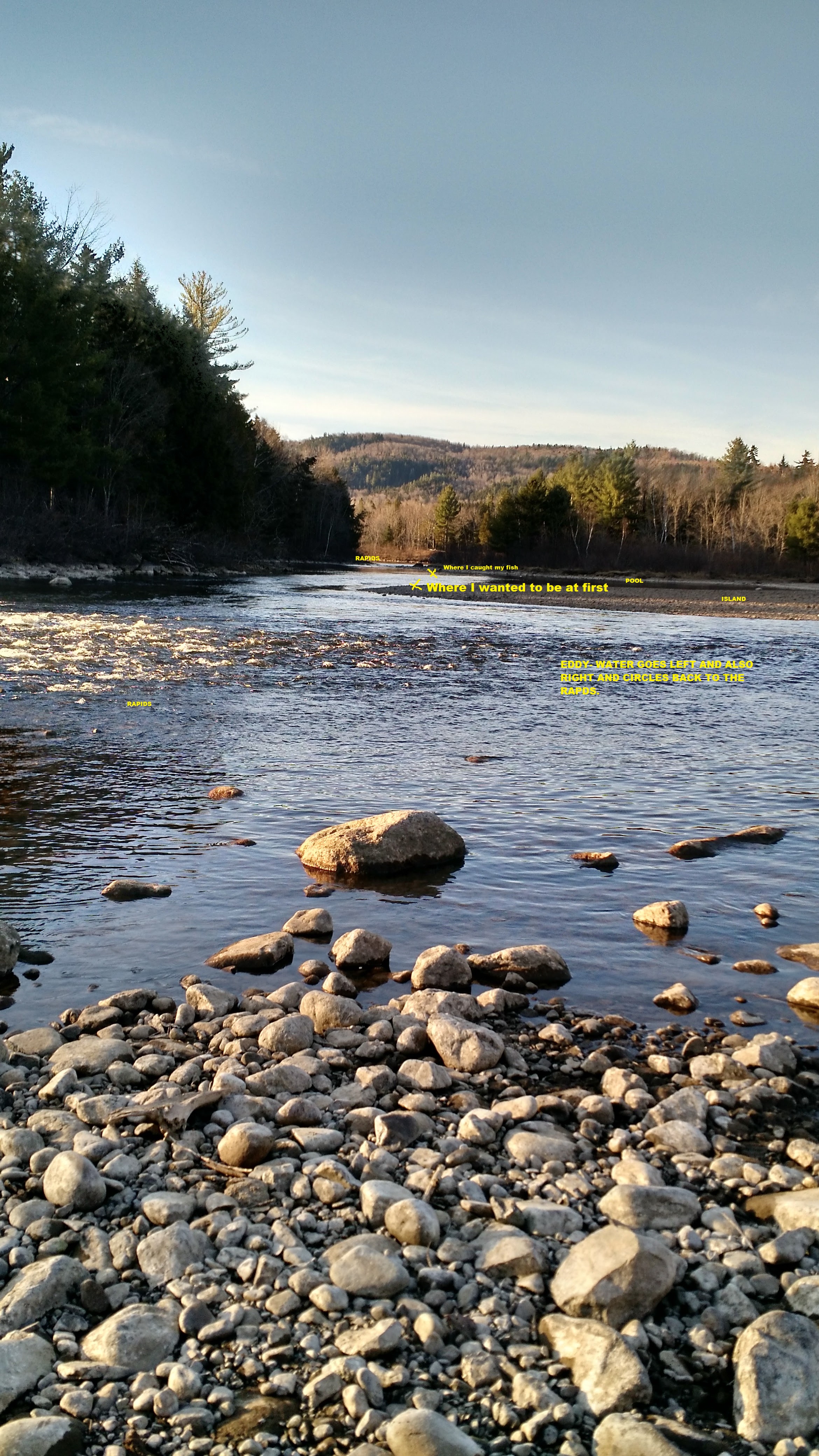 As I made my way across the pools and around to the end, I notice a hatch taking place. I felt like I as being invaded by tiny blue-green bugs and they floated and flew all around me. Some type of
 I was elated, and at that point, I decided I wasn’t stopping until I got my fish on the tailgate of the truck so I gave up my spot and headed up. I killed my fish, (which is really humane) and set him on the tailgate. I tried to take a selfie but my arm wasn’t long enough and the fish was too big!


 Fishing on the Maine coast for striped bass, which most fisherman call Striper, is one of my favorite types of fishing. We have tried fishing for striped bass with eels, worms, poppers, mackerel and crabs. Nothing has worked as well as quahog clams. The bigger the clam the better. The weight of the clam eliminates the need for a sinker.
 Quahog clams are big clams that we pick from the sand at low tide. This is perfect since we fish right when the tide turns and comes in. Well, we don’t actually pick them unless we buy them at the grocery store, but we prefer to get our own.
  We go out waist deep into the cold ocean water. We use our feet to feel the sandy bottom underwater while trying to stand in one place with the waves coming in. Standing with both feet together, John does the jig…a twisting motion to work his feet into the sand and feel a clam under his feet. I can’t use both feet together because the movement hurts my knees, so I use only one foot and move it back and forth moving the sand and digging a hole with my foot until I feel a clam. We then use our toes to get underneath the clam and free it from the sand. Then comes the torture of getting the upper body wet. I do the big dip underwater to retrieve my clam. Into the suit it goes, and then I move onto another spot. We stock up on clams to use for future fishing as well as for the moment.




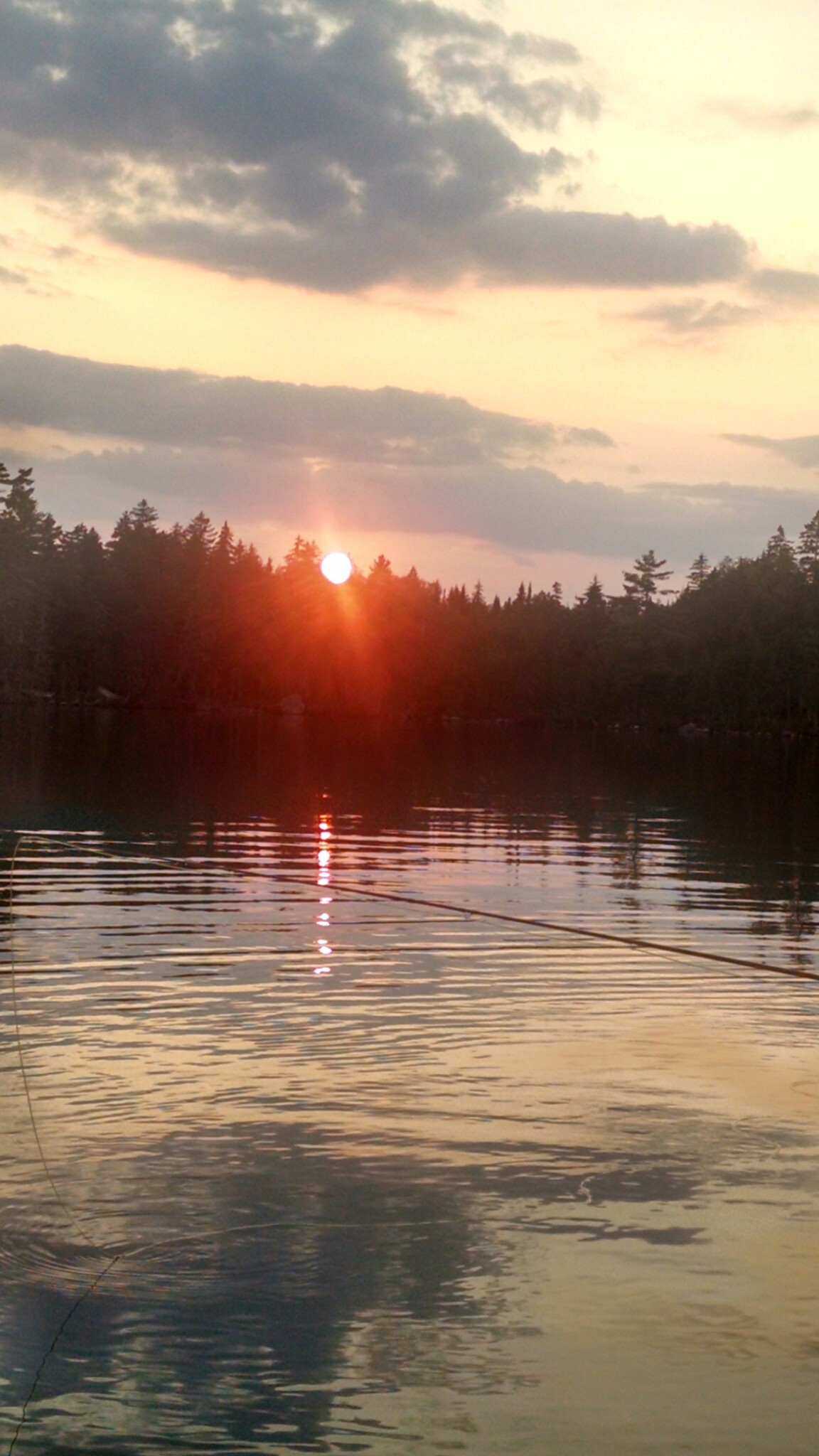
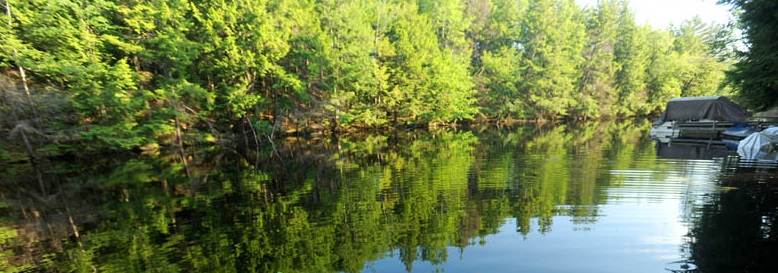


 So April 1st kicks off the official open water season. If you don’t have a little slice of heaven on the Serpentine, try to find one, or plan a canoe trip down the Serpentine. Then
  My Mainely Girl Adventures