
Now is the time to start searching!
Every year, at the beginning of the fiddlehead season, I see countless people asking, “Is this a fiddlehead?” It seems like a no brainer finding them, but I forget that when I was growing up, my mother would have done anything to know how to find fiddleheads and not have to buy them. Since fiddlehead spots are heavily guarded as sacred, it’s just much easier to find your own spot than to even think of asking someone or possibly contributing to over-harvesting on a popular spot.
Well, I’m here to tell you that you can find fiddleheads even now for next year, and perhaps even easier than when the season starts and definitely with less competition.
Best of all, finding fiddleheads out of season means you’ll be well prepared for next year. Chances are, you will find fiddleheads where you least expect to find them, and they’ll be bigger and less picked-over than the popular picked spots on the river.
Yes, fiddleheads do grow on the river banks, but that’s not the only places they grow. In fact, the biggest fiddleheads I’ve ever found weren’t found on the river, but in the woods, along a road, far away from the river. John and I spend a great deal of time driving logging roads all over Maine. This is the time of year when you can easily spot the ostrich a.k.a. fiddlehead fern.

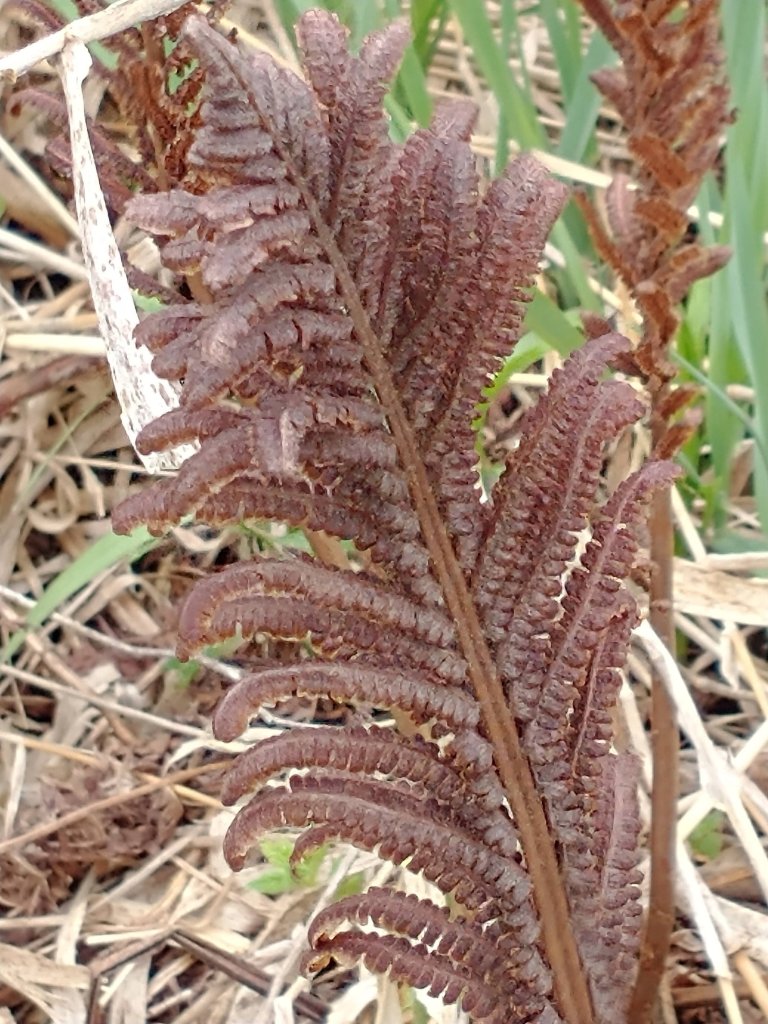
There are two things you look for when scouting for fiddleheads; fern fronds (the leaves), and spores. Fiddleheads are the beginnings of the ostrich fern, which are easy to spot now that they are in full display. Another distinguishing attribute is the grooved stem of the fern. There are only 12 ferns in Maine, and most of them don’t look anything like the ostrich fern, so once you learn the twelve, it makes it far easier to finding fiddleheads, but really, just learn what the ostrich fern looks like and you won’t have a problem finding fiddleheads.
Fiddlehead ferns have very distinct foliage with very sharp points and slender leaves. Once the fiddlehead season is over, the ferns unravel and fill the roadsides along with other ferns that are often mistaken as fiddleheads. They are taller than most ferns. They look rather majestic and stand upright like ostrich feathers. If the ferns are large and are around three feet tall, then you most likely have found a mature batch with nice sized fiddleheads to found next spring.

So look carefully and look for sharp edged ferns. I’ve included photos so that you can really see the difference. The first picture is fiddlehead fern. The others are not fiddlehead ferns, and when you compare them side by side, it’s easier to tell them apart. Fiddleheads will often grow amongst other ferns. In the picture with John picking fiddleheads, there are other ferns already up and open…and they’re not fiddleheads. Look at the photo of the fiddleheads up close; you will see the leaf structure of the fiddlehead fern before it opens up.


Cinnamon fern 
Marginal wood fern 
Royal fern 
Sensitive fern & sport 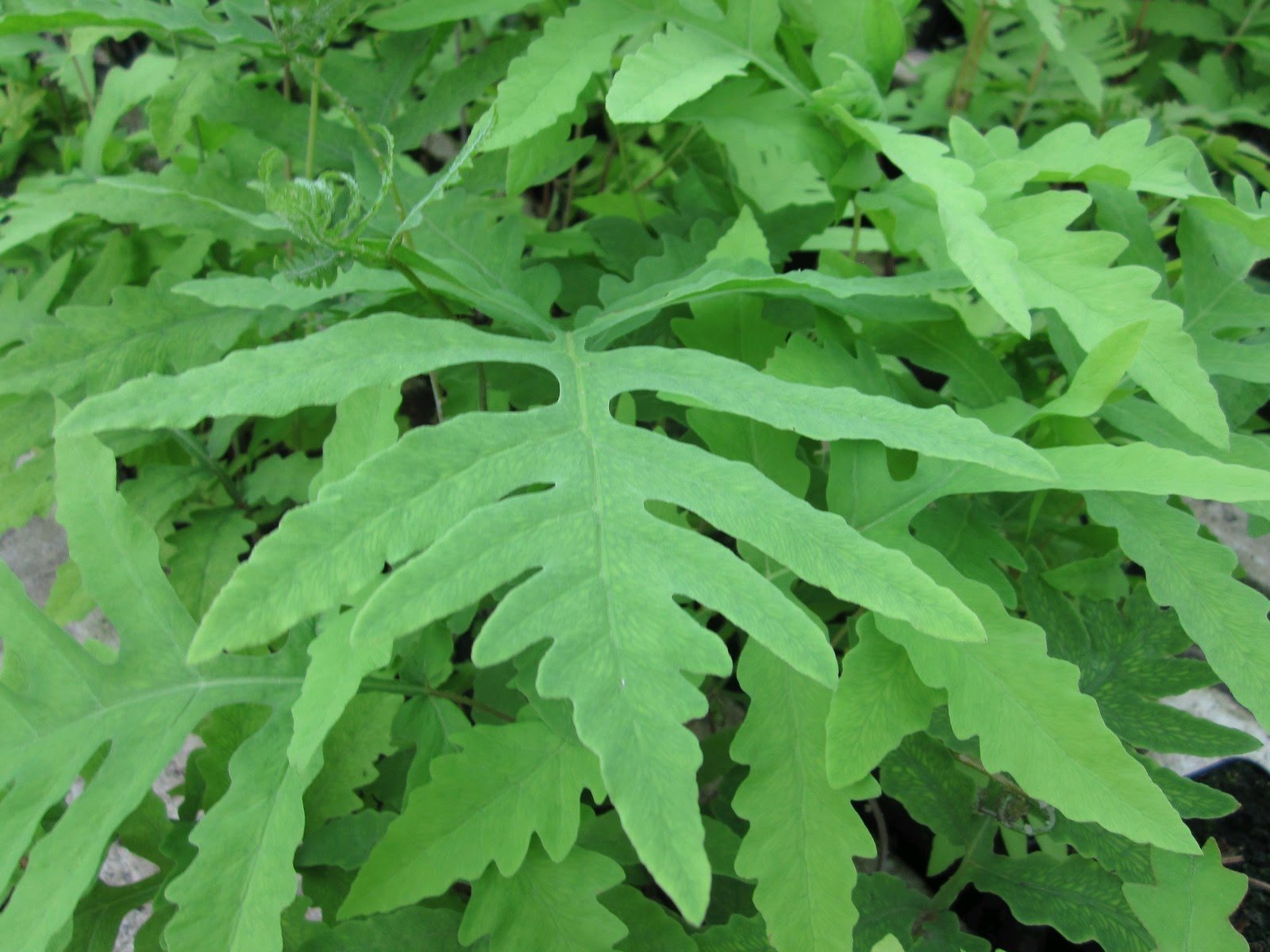
Sensitive fern 
Long beech fern 
Interrupted fern 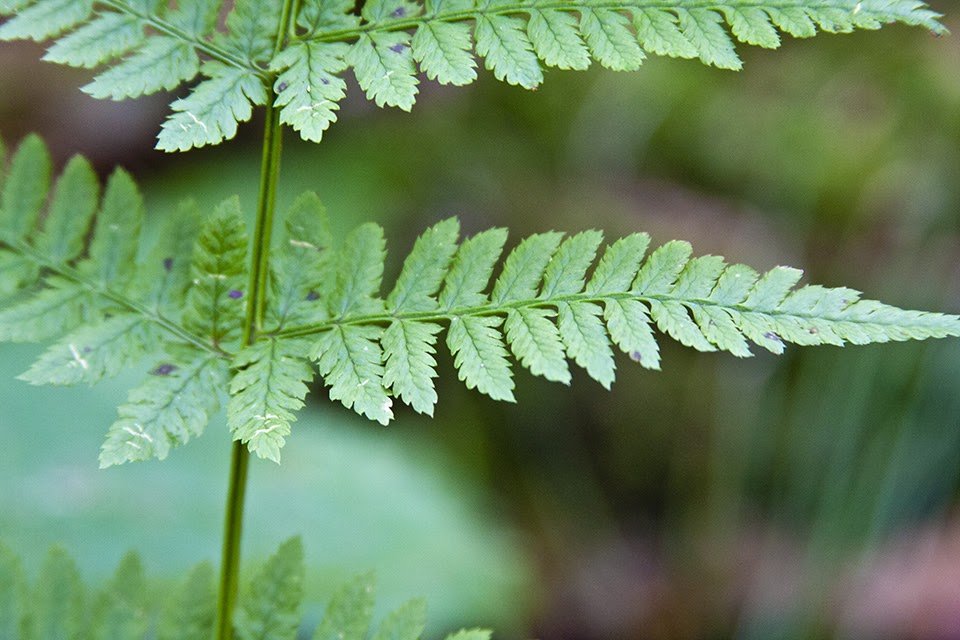
Spinulose wood fern 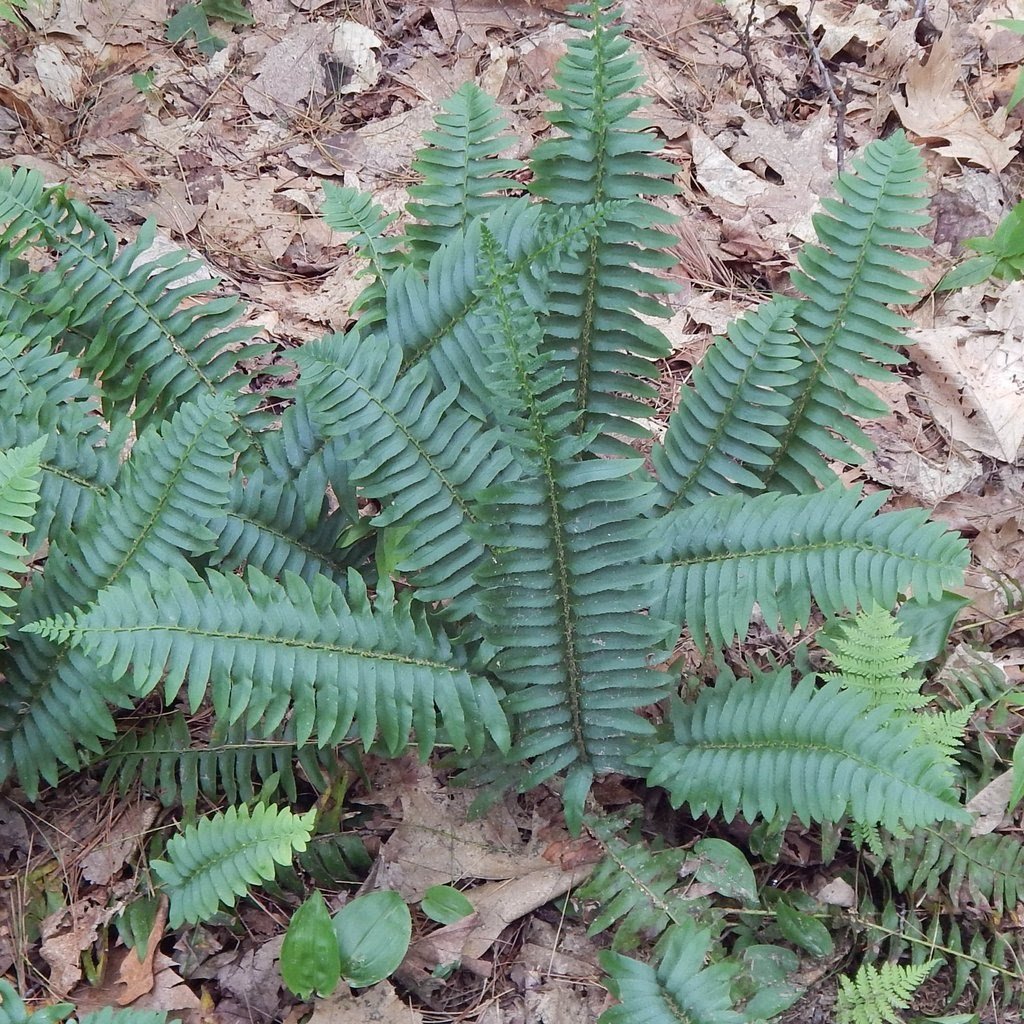
Christmas fern 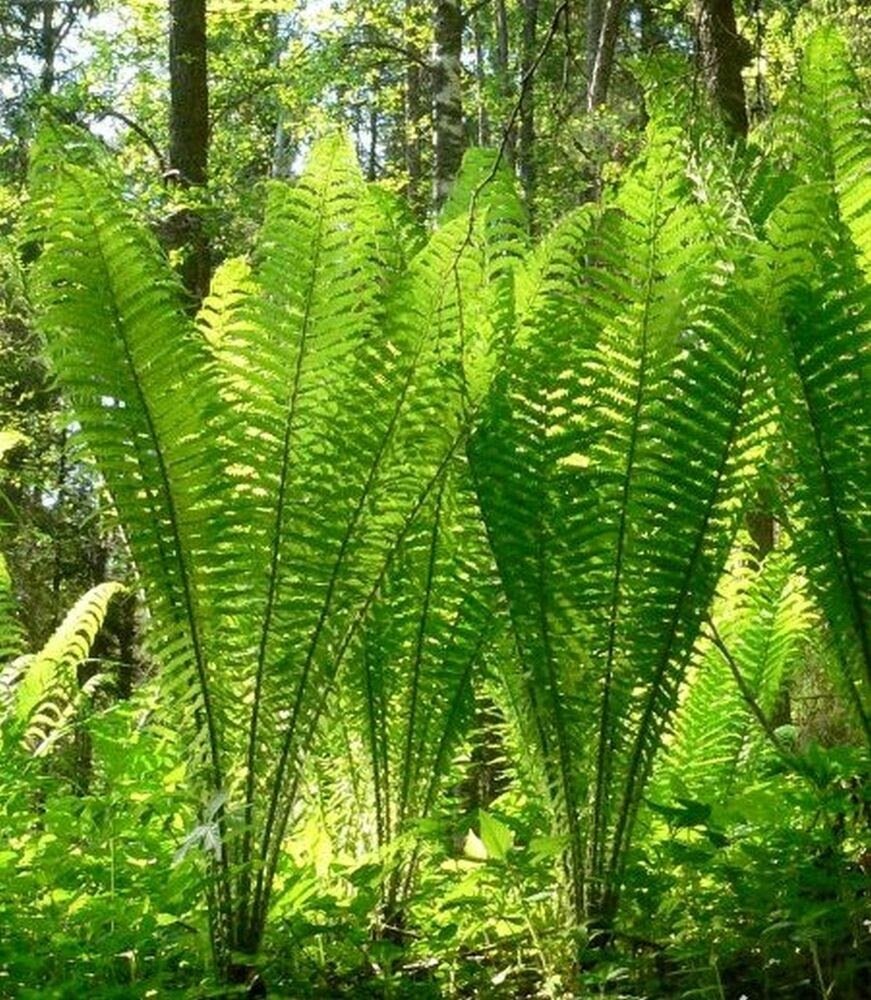
Ostrich ferns 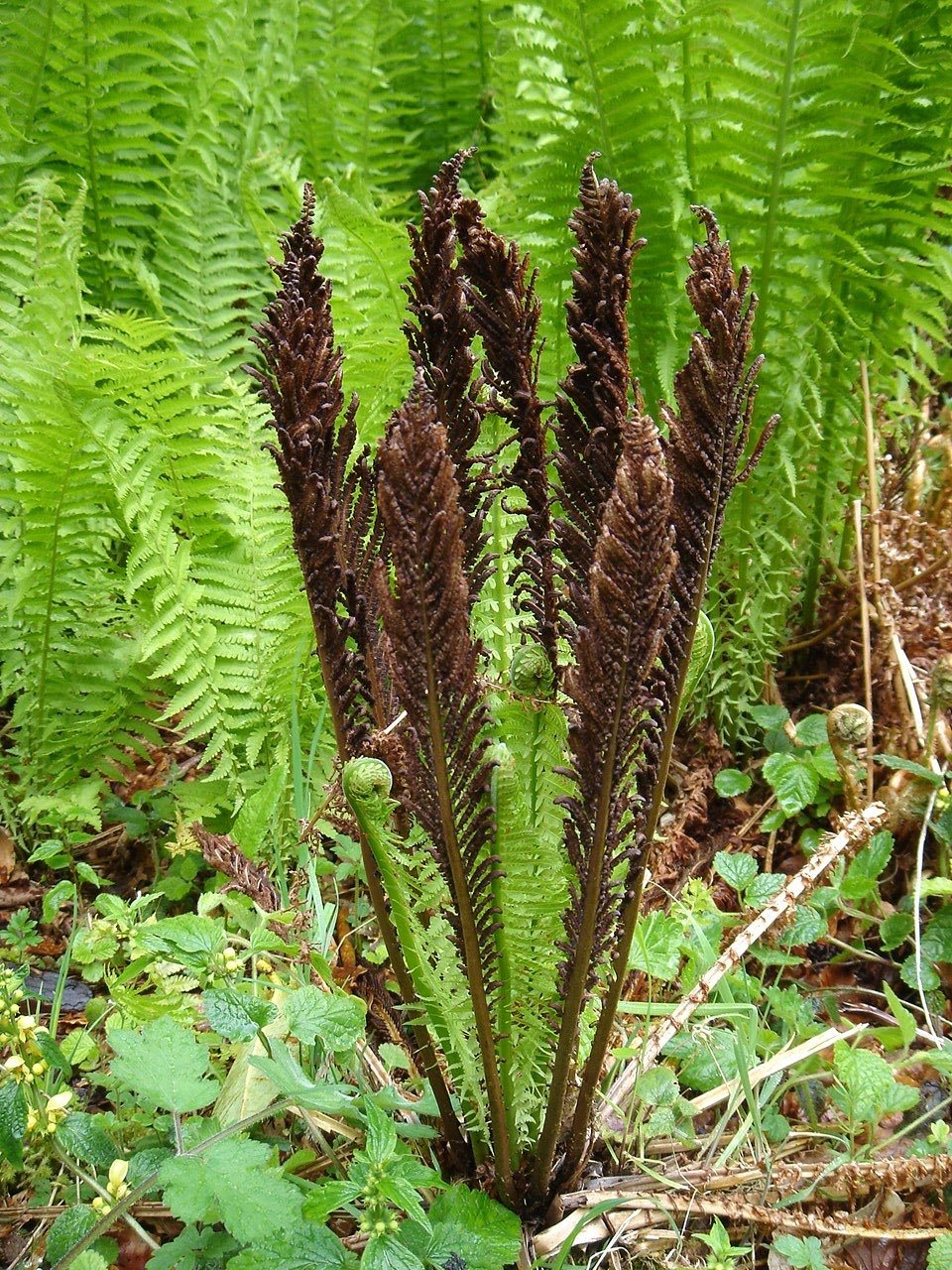
Ostrich ferns and spore pods

So the next time you get the chance to ride some roads, bring along your Gazeteer and mark locations that you can return to next spring. You won’t find those beautiful ferns, but you will most likely spot the dried spore pods that are left behind. So if you find yourself still not finding fiddleheads by the ferns, then try concentrating on the spore pods. Ostrich fern spore pods are very distinct, and you’ll know for sure you’ve found your spot. Not only are they neat to discover, but they make great decorations in a simple vase.


The other important thing to remember is timing. Since most of our fiddleheads are found north of where we live, we find that our mountain fiddleheads can be as much if not more than two weeks later before they’re ready to harvest, so don’t get discouraged if they’re not readily found the first time you check. Patience and persistence will get you the prize!
One other thing to consider if you are foraging on paper company land is to look for herbicide use nearby. Large clear-cuts will get sprayed yearly, so I like to make sure there aren’t any signs of herbicide use before I pick.
Happy Foraging!



 I laugh when I hear this because it’s usually in the context of hunting and fishing and all the things we do together. It’s quite a compliment, but honestly, it’s just about being together and enjoying what we do. Our kids are grown and off doing their own things with friends and family, so we have more time together that we didn’t have when we were raising our three kids. Hopefully they’ll take some of the times we spent hunting, fishing and wildlife watching with them and pass it onto their families.





 John and I bought our first ever buddy stand, a stand made for two people, and put it up on a landowner’s woodlot where we got permission to hunt. It was perfect; it hid among the boughs of a giant hemlock and over looked an entire valley of oak and beech trees. This would be my main place to hunt, which would be mostly Saturdays.
 We parked out a further distance and quietly walked in. After about 150 yards of walking, John gave a cow call. Immediately, we had a grunt answer followed by brush breaking and twigs snapping. We slipped off the road and got behind a bush of alders. Another alder bush further out was blocking my view, but also gave great cover for us. I got on John’s right side so I could watch. I could hear the moose, but couldn’t see it. John took a peek. He said, “I can see his antlers. He’s a good one.” So I took up the outer spot again and peeked. There it was, grunting and coming straight down the road! I drew a my gun and waited for him to come into my sights. My first thought was to shoot him in the front of the chest. I’ve shot deer like this and it kills them instantly. Bad part is that it’s a small target even for a moose. I was afraid that if I waited too long, he’d wind us or see us. I lucked out when he stopped and turned his head to the right looking for the cow moose that was calling him. I fired into his neck/shoulder. One shot from my son’s .270 rifle and the bull dropped to the ground! I didn’t shoot again because I thought he die immediately.




 I was more than a bit shocked when I found out I was drawn for a 2016 moose permit. Even more shocking was that I was drawn for zone 5, one of the most successful moose zones, which also happened to be the same zone in which my son Zack shot his moose in 2012.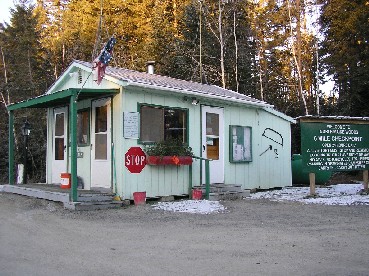

 Day two was also cool, but with little to no wind. Bears would be moving. Instead of going at 2pm, we were there at 4:30. “Still plenty of time to get in our stand before a bear shows.” John and I decided to “scent up” the bait sites since it was nice and quiet. I took my time walking into the site, not only to walk with the breeze, but also to not become a sweat-fest after all the time I took to de-scent myself. The wind was blowing up the hill so in my mind, when you hunt the wind, you cover your scent downwind. To help me come in undetected, I decided to squirt a little


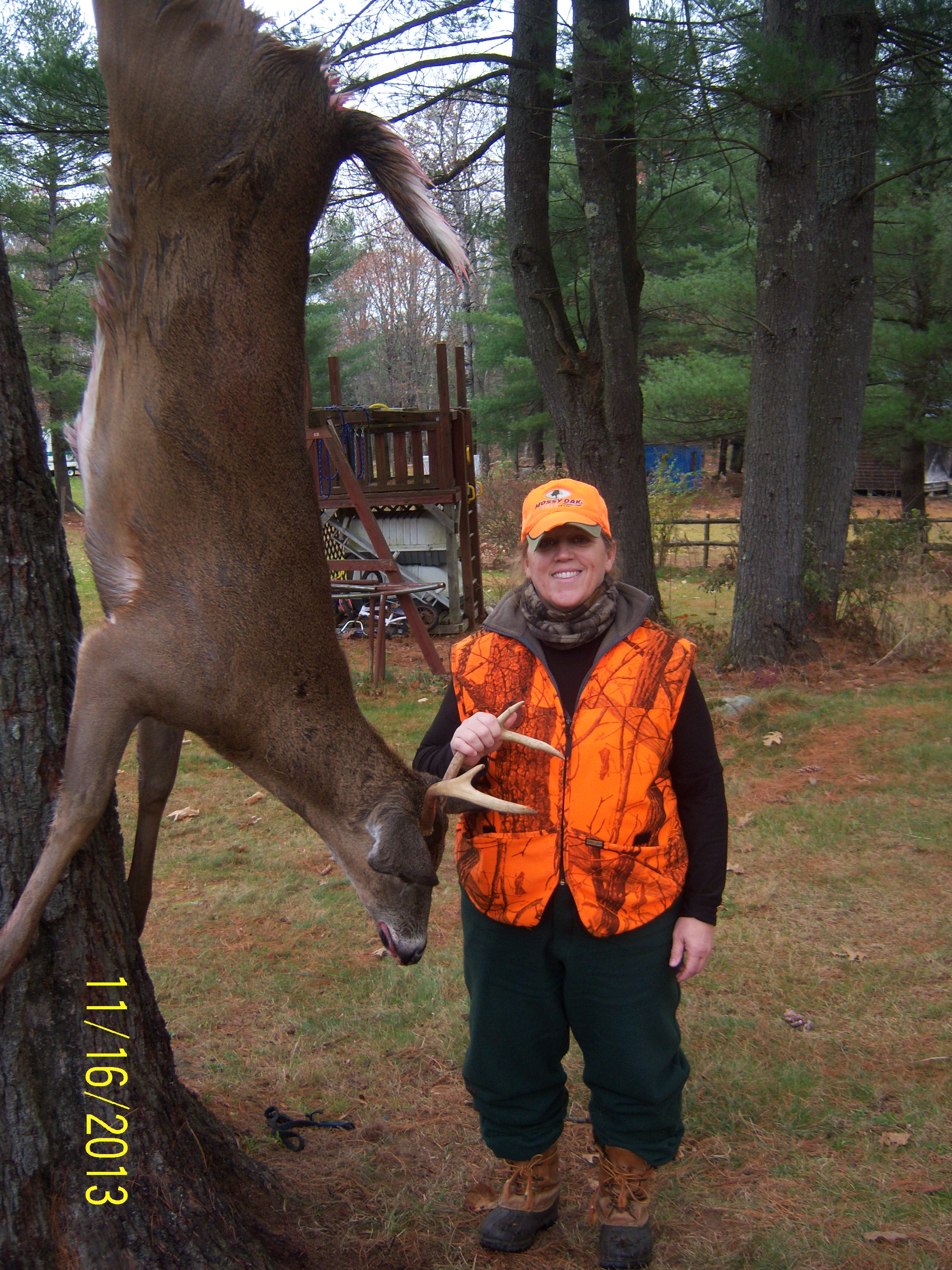





 My son Zack and I hunted turkey together, but he was already a teenager and back then they didn’t have a youth day. We had a few successful hunts that went pretty much according to “the plan” we made. I’m sure many of you have seen this photo on my Facebook page. It’s one of my favorites and one of those hunts I’ll never forget, not because of the birds we got, but the whole experience brings a smile to my face whenever we talk about it.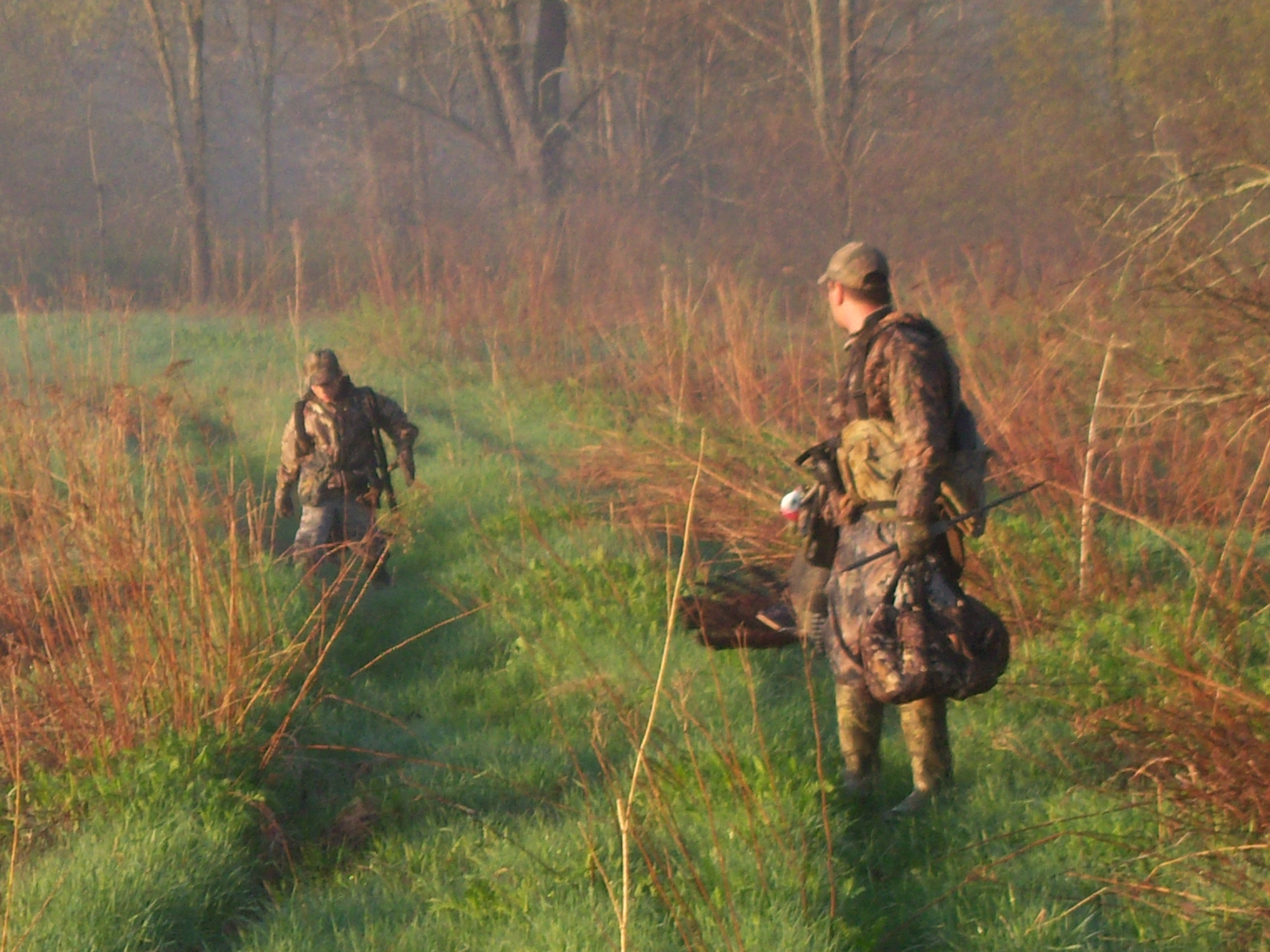

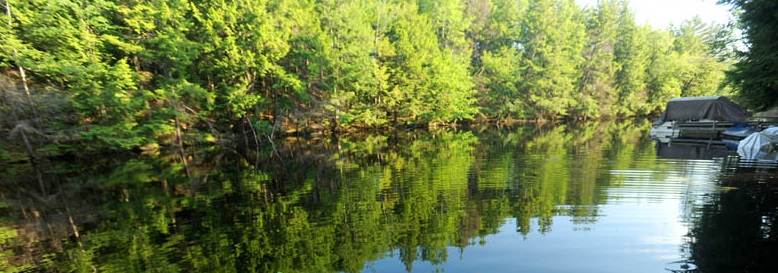


 So April 1st kicks off the official open water season. If you don’t have a little slice of heaven on the Serpentine, try to find one, or plan a canoe trip down the Serpentine. Then
  My Mainely Girl Adventures