

I truly love going into the wilderness. There are few, if any, places left in Maine where someone can say that no one has been, so it’s nice to feel that when you do get a chance to go somewhere new, and wild to you, that it feels as wild and untouched to you, as it did to the person who got to experience it beforehand.

That’s why I get kind of sad, and then really mad, when I see things that shouldn’t be there, like the 40 year old beer cans in our pristine pond where native brook trout reside and that we fish for. Even after all that time, those aluminum beer cans still stand out from the bottom of the pond as a glaring inconsideration for the water, fish, environment, and all the fisherman who’ve had to see it. Back in those days, fisherman would drink their beer, and throw their cans in the water as casual behavior. In this day in age, when adults, for certain know better, I continue to see popular shiny-blue beer cans on the roadside…undoubtably those riding the roads trying to rid the evidence of drinking and driving. Yeah, we’ve seen a few drunk drivers in our time, but up in the wild, law enforcement are seen few and far between. So goes the saying to do as you would as if someone is watching you.

When we first started making the wilderness a regular destination, we hardly ever met a vehicle on our trips, but over the past twenty years, as more urbanites flock to the woods in escape of Covid and the stresses of the world, they also are bringing along some bad behavior.
Now on top of the Appalachian Trail hikers, we have the entire Bigelow Range being hiked and then Maine Huts and Trails also began courting tourists with concierege service while hiking, biking and eating gourmet meals and wine. With this onslaught of urbanites, our “untouched” wilderness is beginning to feel just a bit crowded, which is okay as long as they behave.
We see a lot of hikers because our beloved pond is also part of the Appalachian Trail. One of the biggest messaging campaigns I’ve ever seen regarding protecting our special wild places is “Leave No Trace.”

The Appalachian Trail has posted signs designating approved campsites and asking people to leave the site as if no one has ever been there.
How hard can that be?! After all, it’s basically pack out what you pack in, bury your waste and toilet paper, but most important, leave things undisturbed.

People seem to forget this last one. I am forever seeing stacked rocks in the oddest places. I understand that stacking rocks was originally used as directional guides to mark a trail for hikers, but most of the time, it’s simply someone thinking it’s something cool to leave behind. Some critics have even called this grafitti…and I think they are right.
Stacking rocks, called cairns, is a no-no in my book. And it’s a no-no in a lot of places, and it’s actually illegal in all national parks such as Acadia and Zion National Park.
When we made our first trip out onto the pond this spring, I was more than annoyed when I saw a teepee structure made from driftwood right on the Appalachian Trail, and not far from the actual lean-to that is the designated camping spot. It wasn’t like the person building it needed a place to sleep. And one of the the leave not trace rules are to not expand the campsite.

Even nature knows how to leave no trace.
Last year, we came upon a flock of turkey vultures feasting on a carcass. The carcass turned out to be a young bull moose that had been hit by a car. It had a broken leg and its foot had become tangled in a tree root. The thought of what this moose had to endure in its last minutes of life was sad, and all because someone couldn’t slow down. We had seen the collision signs on the road and the moose hadn’t traveled far before succumbing to its injuries.

The first week we watched as the birds ate the eyes, nose and gut of the moose.
The second week, coyotes and who knows what other predators had a feast leaving just the skull, rib cage, shoulder blades and leg bones with flesh still intact. The stink was incredible and any thoughts of retrieving a scapula for future moose hunts quickly vanished with retching and watery eyes.
The third week there only remained a stain and discoloration on the ground where the moose had been. There were a few scattered bones with no flesh left, and for the most part, the moose and the stink were gone.

A year later and the moose is a mere memory and a couple photos. We were only able to find the few remnants of some vertebrae on the edge of the woods.
If you love the wilderness as much as we love it, I hope you’ll take the time to leave no trace…or at least please don’t litter, stack rocks, or make shelters out of driftwood unless you absolutely need to in order to survive.
I’d like to say, treat it as your own, but let’s face it. It’s not yours, so don’t ruin it for everyone else. Get outdoors and enjoy it, and remember what you love about it, and leave it that way for the next person. With so little wilderness left, let’s all make an effort to keep it at least feeling like wilderness even if there are way more people around than you like.
Happy Summer!


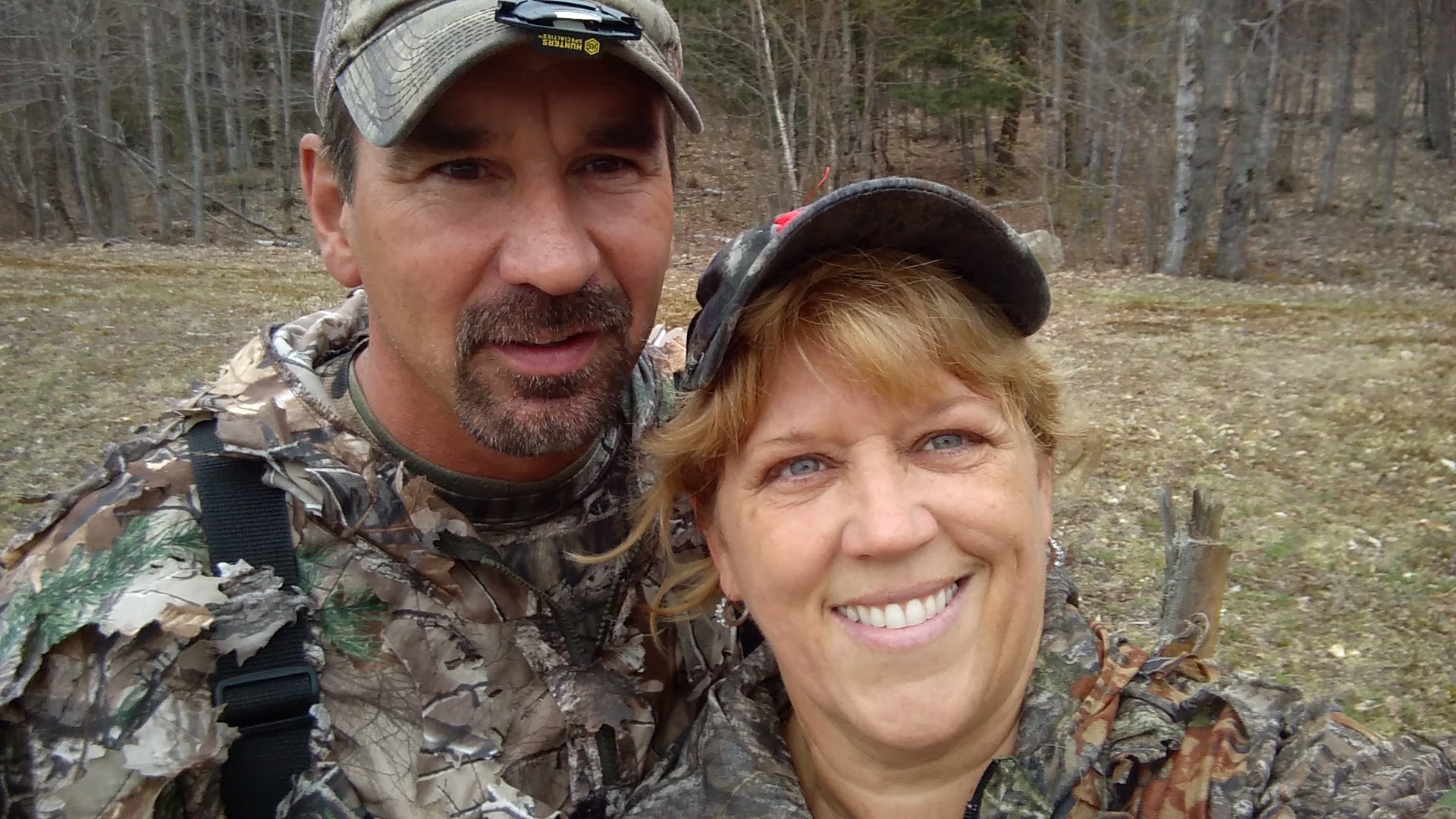 I laugh when I hear this because it’s usually in the context of hunting and fishing and all the things we do together. It’s quite a compliment, but honestly, it’s just about being together and enjoying what we do. Our kids are grown and off doing their own things with friends and family, so we have more time together that we didn’t have when we were raising our three kids. Hopefully they’ll take some of the times we spent hunting, fishing and wildlife watching with them and pass it onto their families.


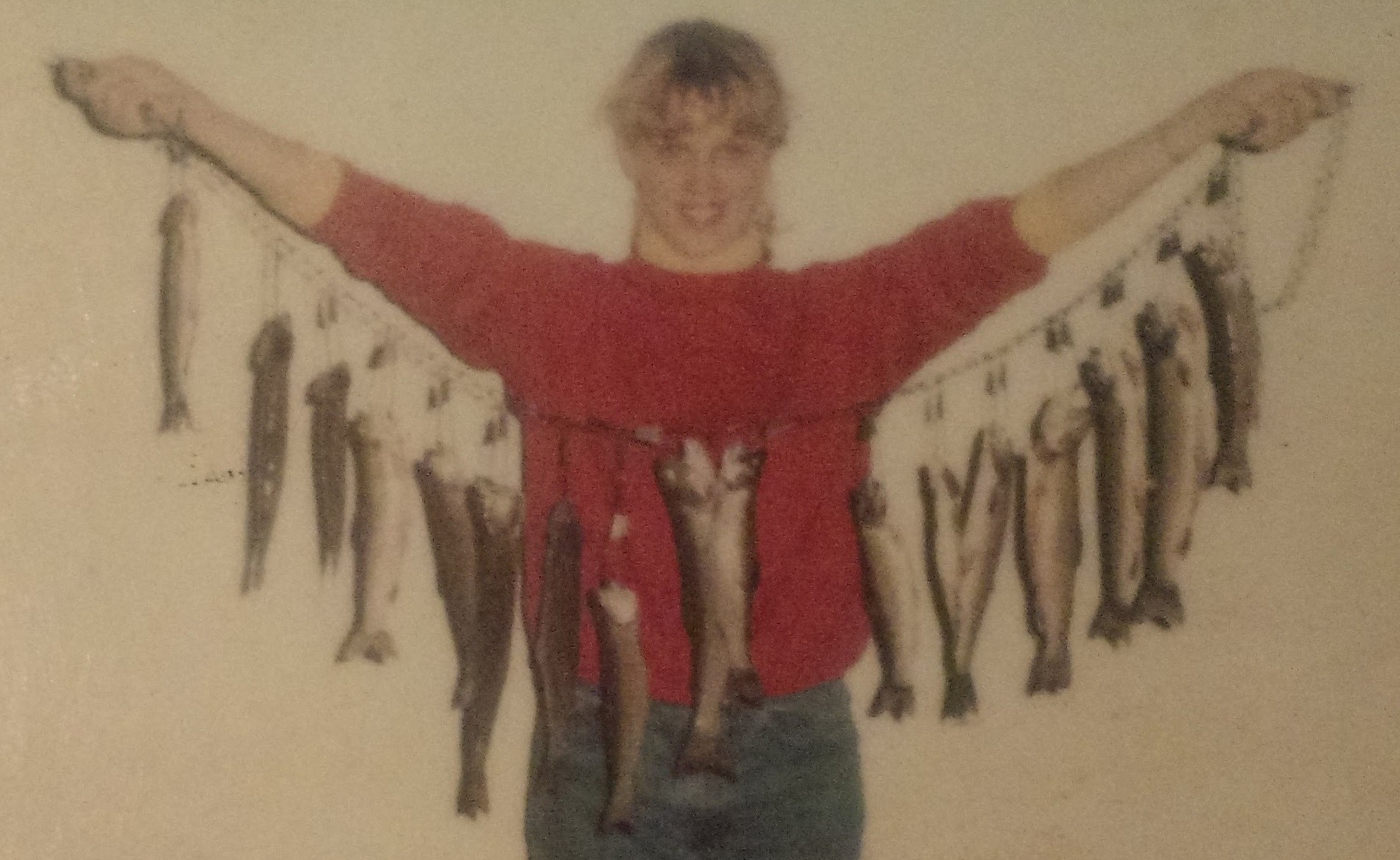
 I didn’t come from a hunting family. My mother’s family hunted and fished, and my mother loved to fish from the time she was old enough to hold a pole. I remember my mother telling me how hungry she was as a child so I can only imagine how much a caught fish meant to a hungry belly. I don’t have many photos of my mother, only a few in her youth, but the ones I found show her holding a nice fish.

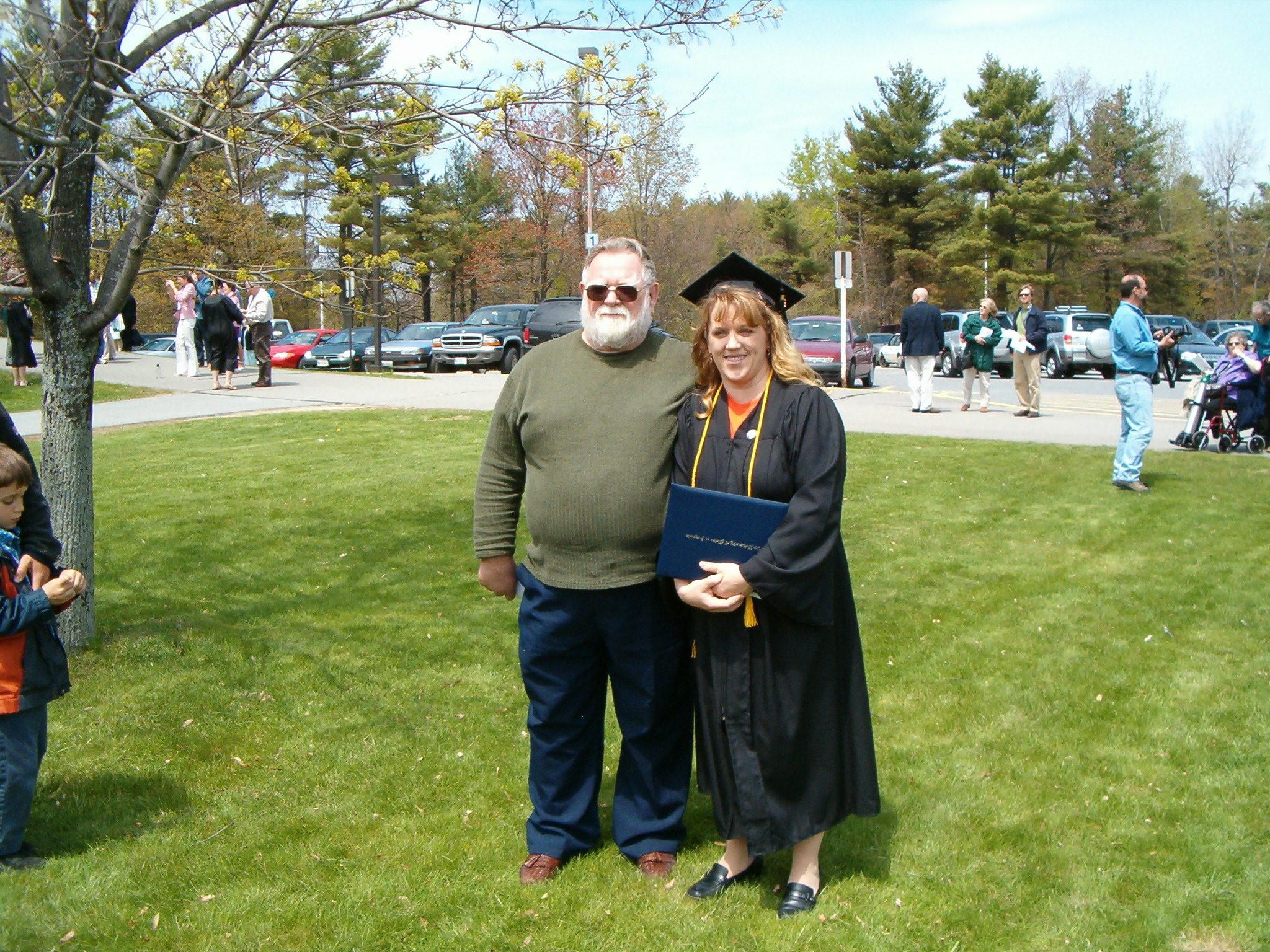
 My sister Kathi was my role model growing up. I watched her overcome adversity as a teen mother, and finish her nursing education. I was always so proud of her accomplishments. She worked full-time and went on to earn her college degree while maintaining a family, a house and home. I got to see the stability and independence she gained by being able to have a professional job. She too learned from my parents that perseverance and hard work pays off, and despite obstacles we may have encountered, we could do anything.


 John made cow calls and raked the cedars with his moose shoulder bone. A few grunts…and I heard what I thought was a moose or deer on the opposite side of the road breaking twigs. It was definitely large in my mind. The guys dismissed what I heard as three partridge, which I couldn’t seem to see. I sprayed my cow urine into the wind, which blew back to where we spotted the young cow. We heard no responses, so we turned and walked quietly back toward the truck. I gave a couple more sprays into the air, and got the look of death from my son as he whispered, ”That’s noisy!” Okay then, I’ll just follow along, I thought, as I felt slightly annoyed.


 My first permit in 2011 happened to be in zone 23 that was a November hunt, and was anything but my desired zone. If you have one of these permits, be sure to get out early and scout, and get permission to hunt the land. I found that more land is posted in these zones, and people are far less willing to let a moose hunter onto their deer hunting areas during the deer season. We called the local state biologist and got information from him. We spoke to locals at the store for leads on where to hunt. It was a physically exhausting hunt with many miles on foot. My husband and I would hunt all day Saturday, and I could barely move on Sunday. We never brought enough water, over-dressed for the temps, but luckily never got lost. It would have been easy to give up, but I wasn’t about to do that. In the end, I shot a cow, but we had to pack it out of the woods about a mile. At the end of the season, my moose was one of only two moose shot in a 50 permit zone. Lesson learned: Never ever put down a zone you really don’t want to hunt, and be more prepared.
 In 2012, I joined my husband, John, and oldest son, Zack, on their first moose hunts. Zack scored the first September bull in zone 5, while John’s hunt was in our home zone 16 for the November hunt. Again, these were two very different hunts from my first.
 John’s hunt was fairly easy for him since as a logger and a deer hunter, he knew right where to find moose in our zone. I was more than bummed that he shot his moose while I was at work since it was the first day I hadn’t gone with him. He even got to use his skidder to haul it out since he was working on an adjoining wood lot.


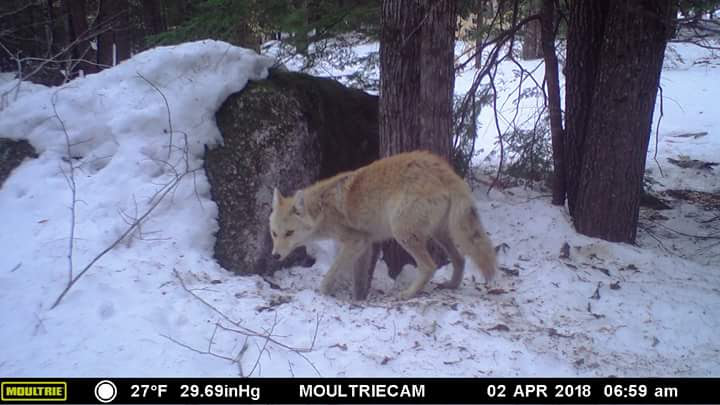
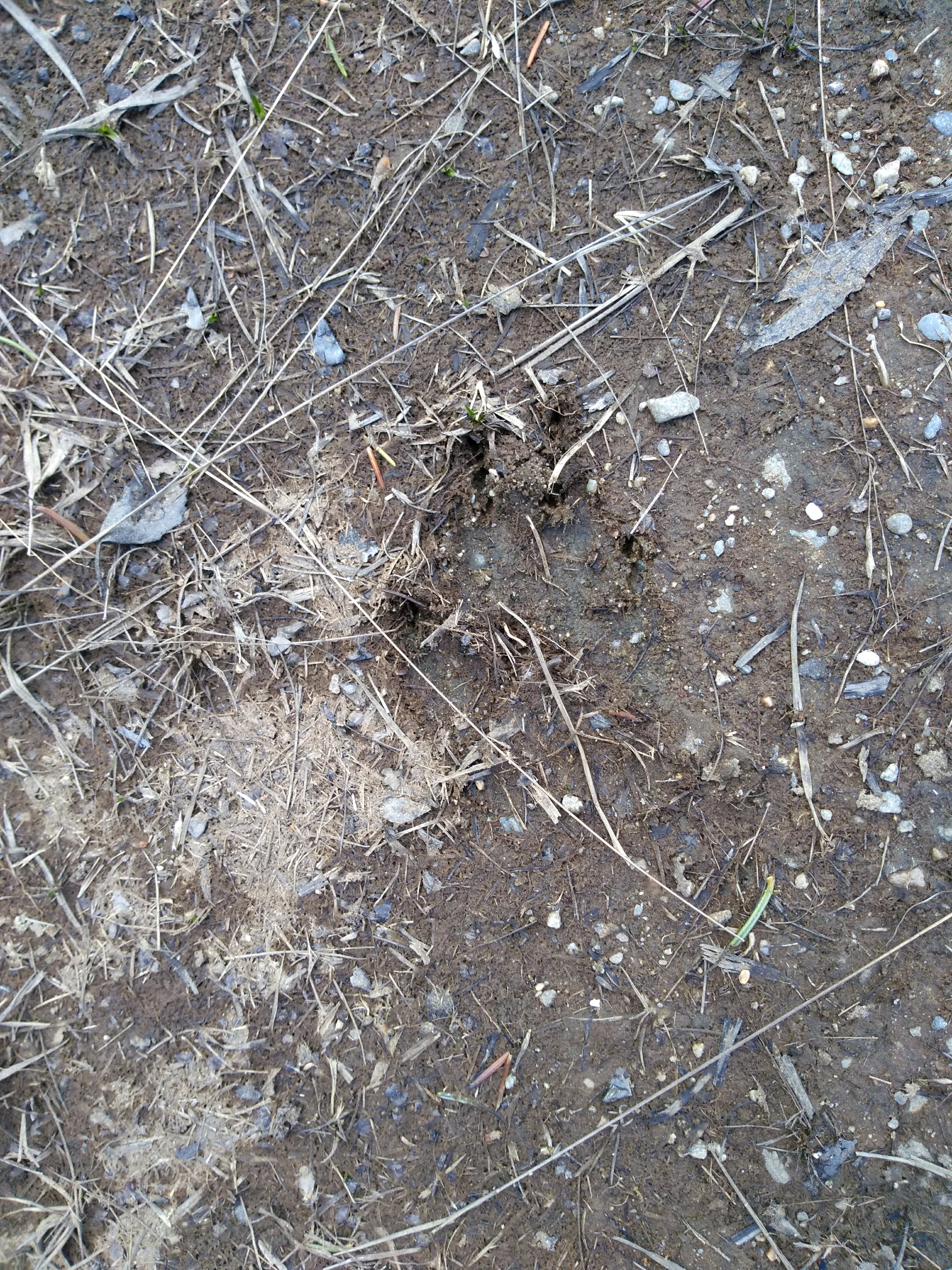


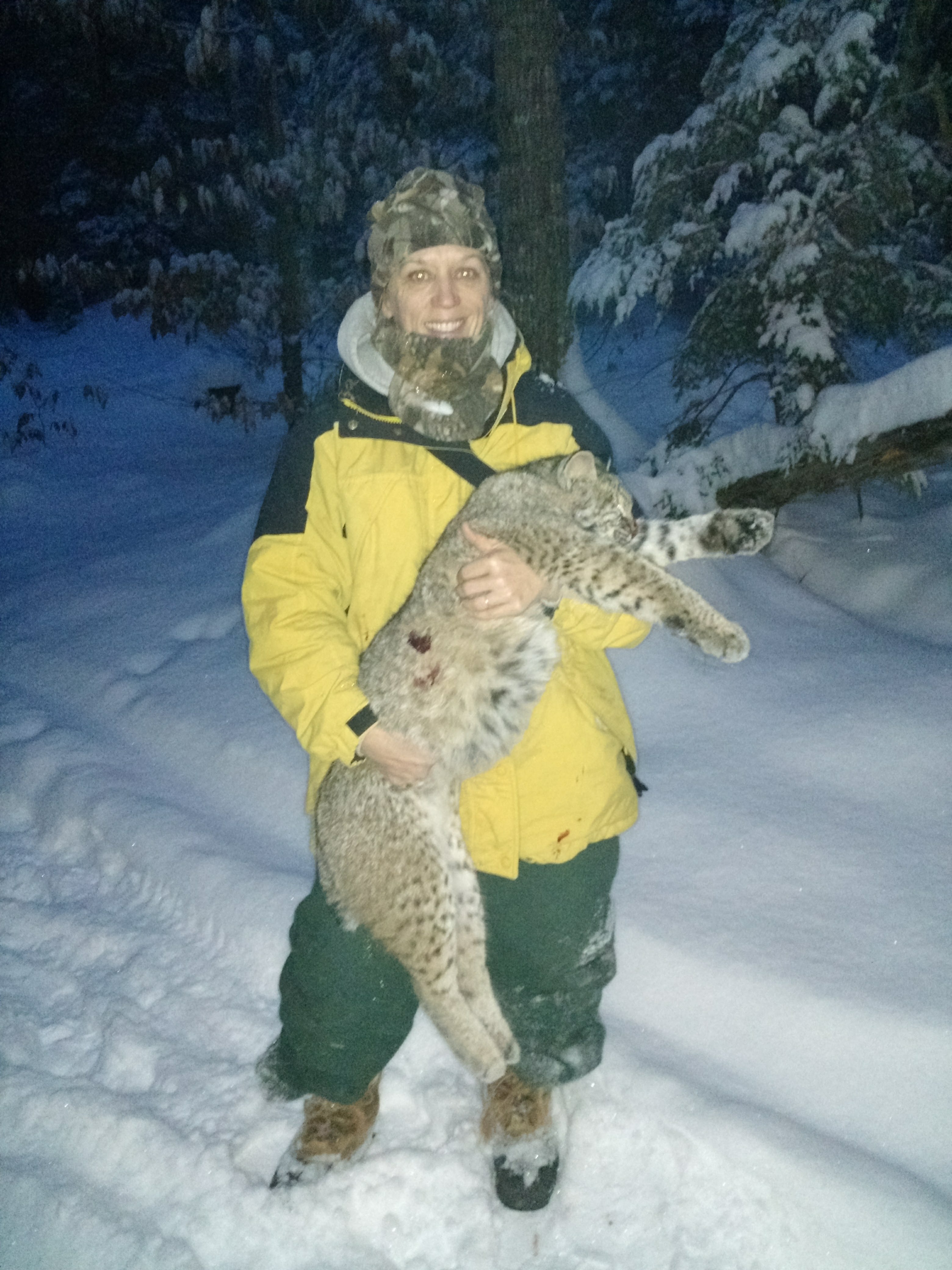
 John caught his first, and what we thought would be our only bobcat. This was an adult female. He got it tagged and then took it to the taxidermist. This bobcat weighed about 27 pounds. The taxidermist said it was a nice sized one.





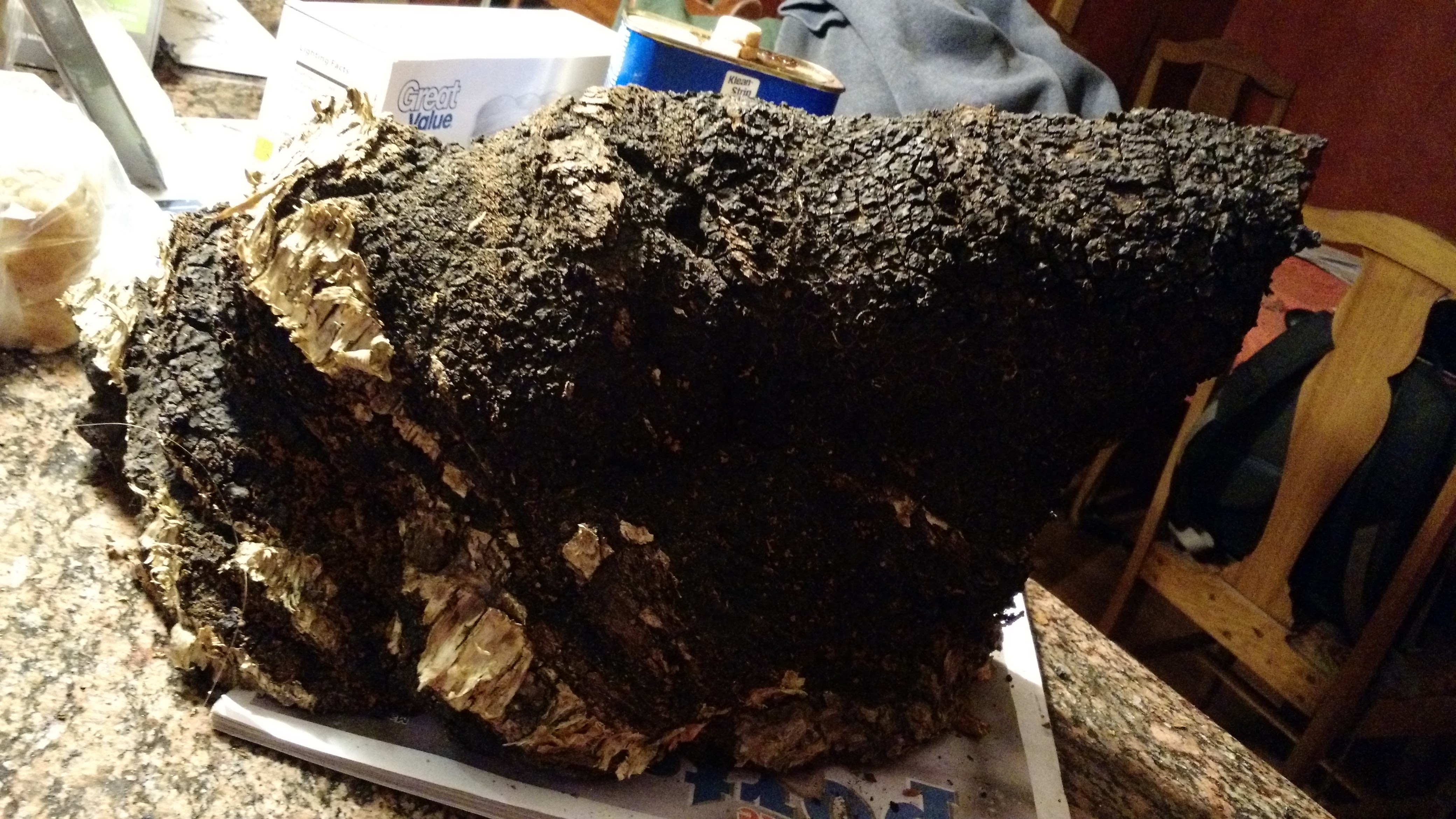
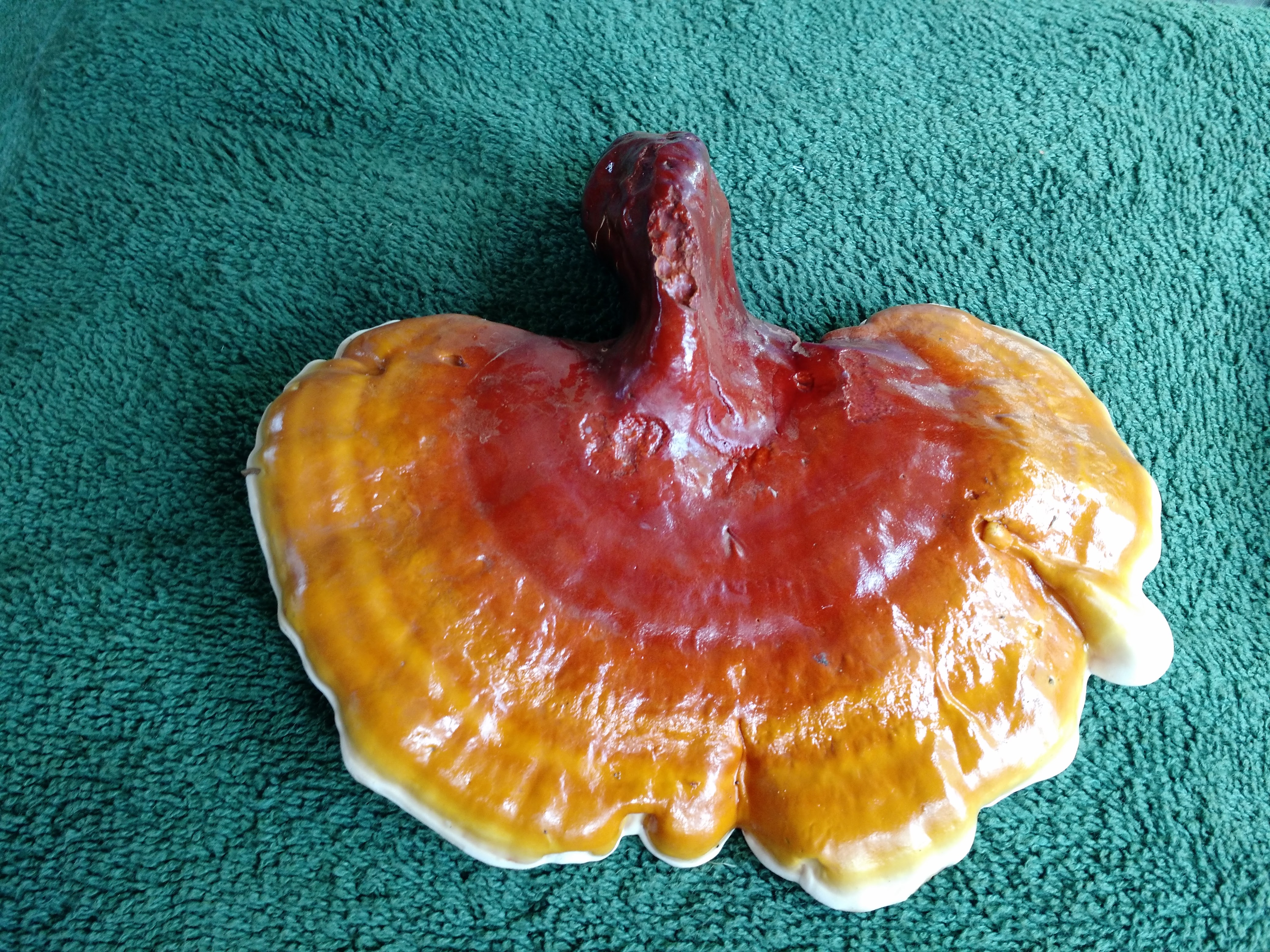
 It turns out Trumpets grow in oaks, and that’s precisely what we have. Now don’t get excited…our oaks are off limits to foragers and hunters alike, but there are plenty of oaks and beeches in Maine, and I’ve seen many foragers scoring big this year. I guess all the rain we’ve been getting does have its benefits.




 They were confused. Where is that hen? The turkeys walked by and once out of sight, I gave another call. They answered, came back and circled around me. The leading jake is almost fully mature, and he began to do his strut dance followed by a gobble. They weren’t alarmed since they continued to scratch and peck the ground as they moved.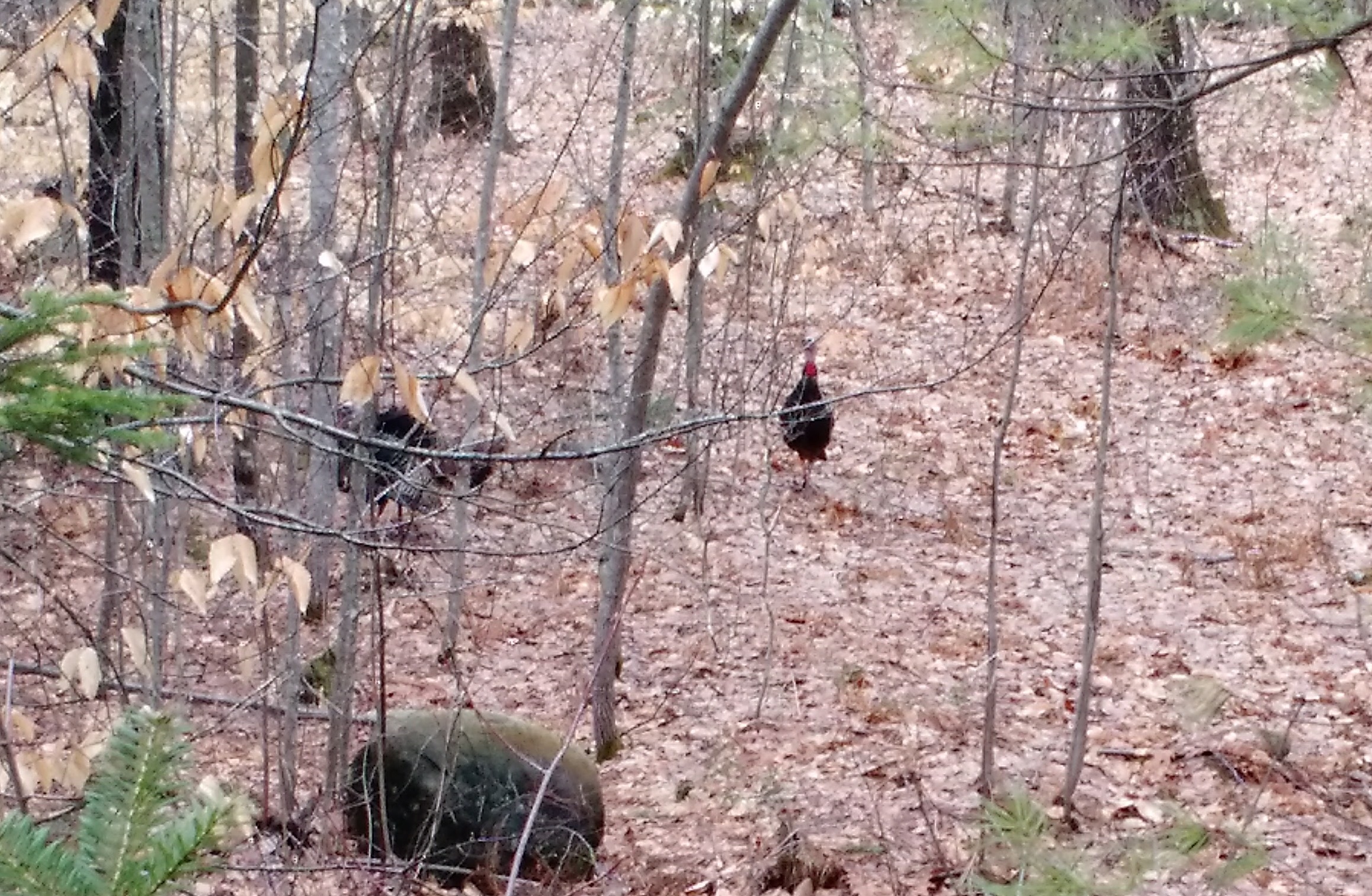


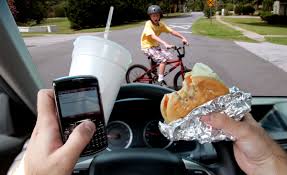 There’s lots of talk these days about cell phone usage, texting while driving and distracted driving. Distracted driving does involve many scenarios, and I recently experienced a new sort of distracted driving even I had never considered. I’ve always prided myself in the fact that I never text and drive, only answer calls if I think I can, never make calls while driving, and never, ever, put on makeup while driving…well okay, I hardly wear makeup and I put it on at home.


 Tinkerbell lived inside the house after she had her pups. When we decided to make Fly, Tyler’s dog and knew that he would sleep inside, Tink remained too. Since she was just paper trained as a puppy, and never lived inside, she never let us know when she had go. It was challenging; we basically trained Tink and Fly at the same time! Eventually, Tink and Fly could go in and out to do their business without us fearing they’d take off. We even built a large wired kennel for them to spend their days in away from the rain, snow and sun and without a leash. They’re attached house is double insulated and heated in case it gets cold.

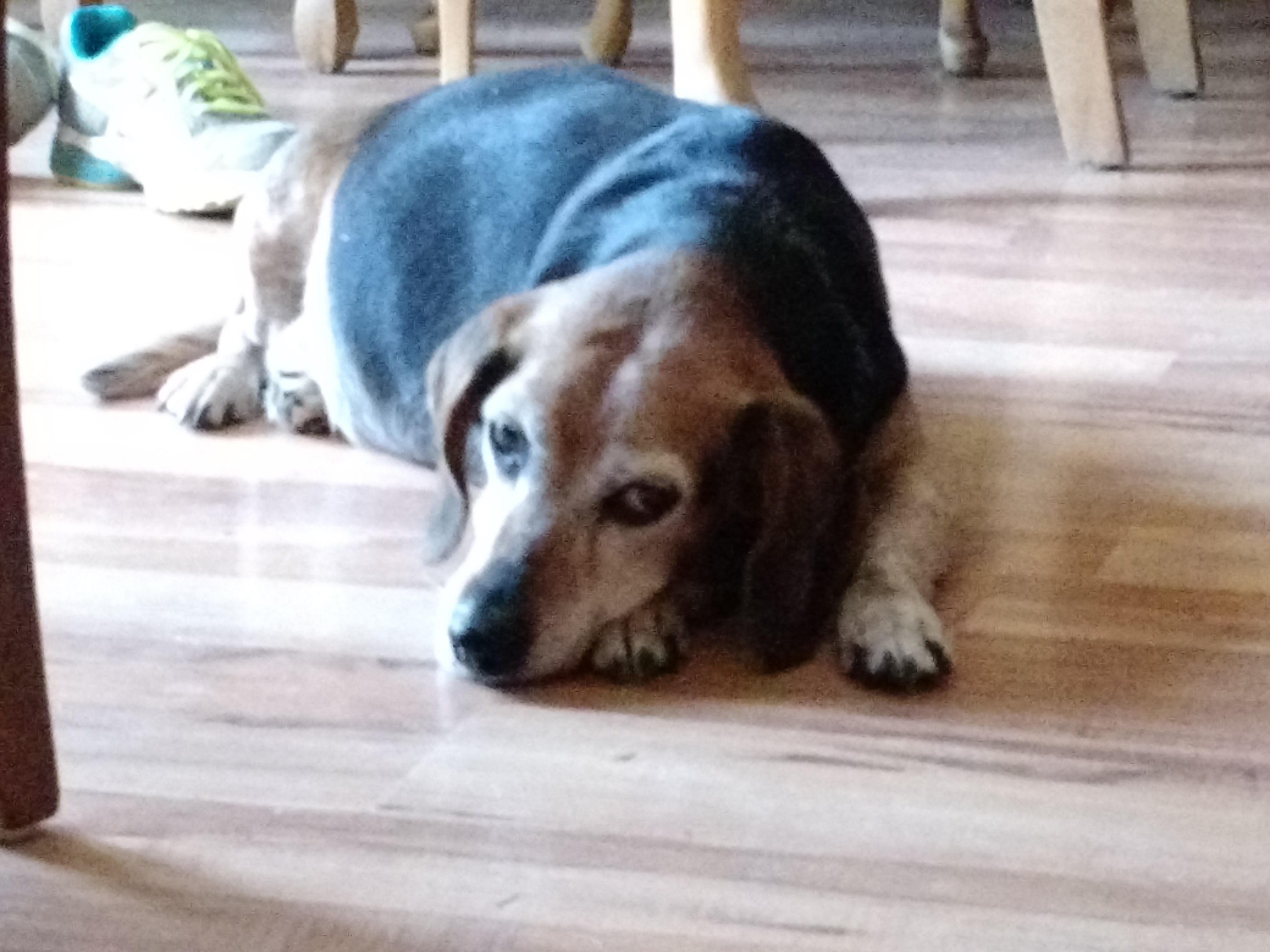
 The day the veterinarian came to the house to lay her to sleep weighed heavily on me. I doubted my decision. I didn’t like having to make a decision like this. I sat on the floor and petted her. I kept Fly nearby. They were each others companion. I took pictures of her. Looking at the pictures of her just a year ago and now, I could see the change. She had grayed. She was emaciated and I could now see all of her back bone. It was sad to see. It makes me feel better that she didn’t suffer. She never acted “ill”, but more exhausted from carrying her load and trying to be comfortable. The grandkids adored her, and even in her state, she always loved their attention.




 We talked about where the deer was standing, where the deer was shot, which way the deer went…and all before we even took a step away from my tree. John found the spot where I had hit the deer and where it ran. He found the spot where the arrow was broken off and laying on the ground in a bunch of spattered blood. The arrow had a lot of fat on the front of the arrow. There was no sign of a gut shot, so where was this deer?!
 I’m not going to get stuck in the woulda-shoulda-coulda trap. What I will do is practice. Practice more. Practice until I shoot that spot the size of a quarter. I’ve always hit, but never that tight of a grouping…but next season I will. Next season, there will be no question. I will learn to be more patient, not rush a shot, and have more faith in myself. I will use this failure to learn from, and not stop me from doing what I love to do. I will not let the possibility of failure stop me. I will make sure that I am prepared so that my possibility of failure is minimal. It still won’t be a given for success, but I can make sure that I’ve done everything I can do to make it is as failure-proof as it can be.
 My Mainely Girl Adventures